
The Pop Culture market
Long considered simple everyday objects, toys, characters, and items from popular culture have today become true collectibles.
We speak of pop culture or Pop Culture! It encompasses what has marked the collective imagination, figuratively or literally: cartoons, toys, comics, television shows, cinema, industrial design, objects from mass production.
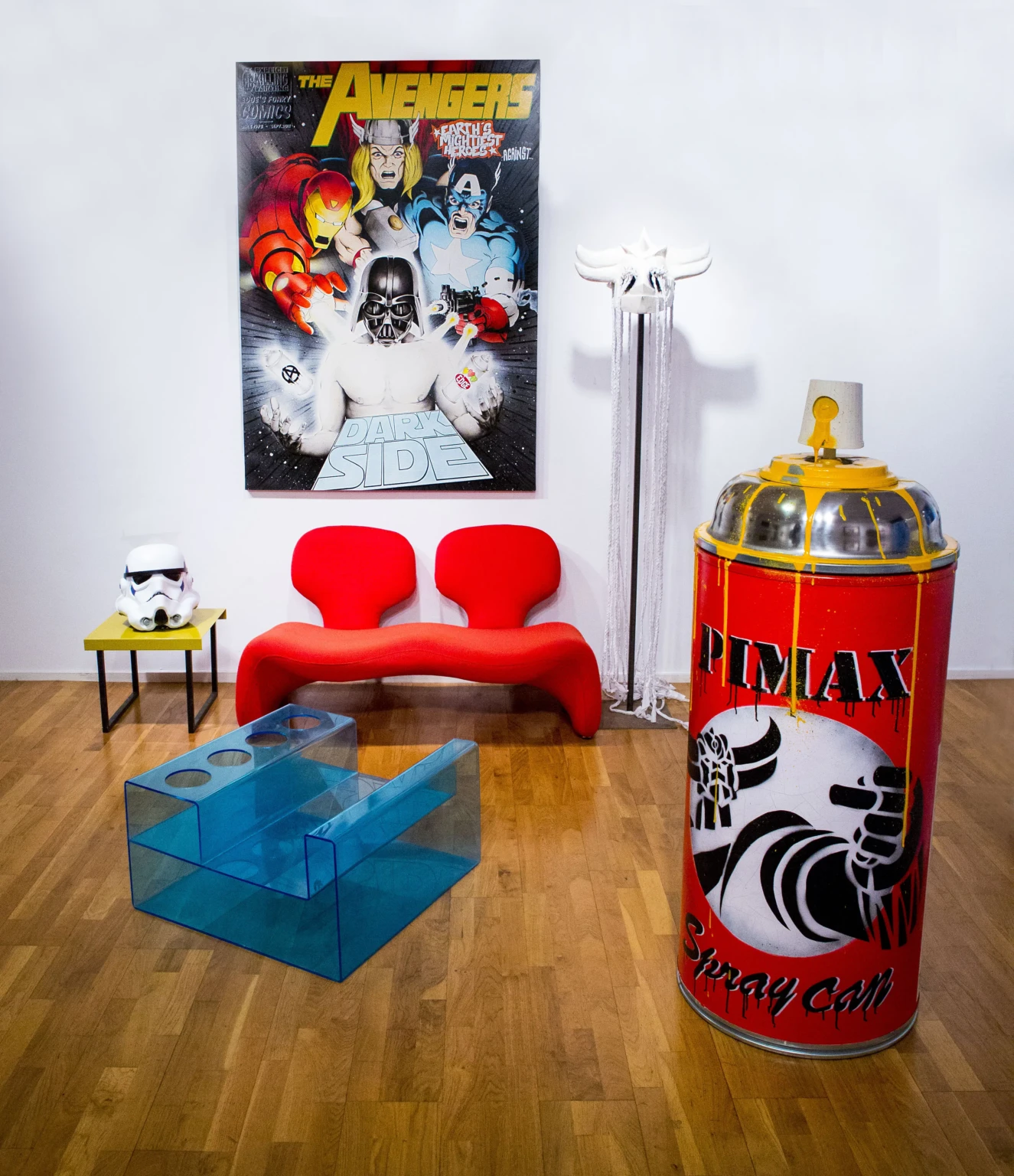
Characters such as Goldorak or E.T. and the Star Wars trilogy are no longer just childhood memories: they have become cultural landmarks shared across several generations.
Today, these objects are gradually entering a new category: that of cultural heritage and the art market. More and more galleries, dealers, and auction houses are taking an interest in this market segment, and increasingly strong prices are beginning to appear.
The dynamism of this market is telling: what was yesterday perceived as mundane is today recognized, documented, and sought after.
Why are collectors now interested in these objects?
Several factors explain the rise of the pop culture market:
Generational nostalgia
Children of the 70s, 80s, and 90s have become adults and collectors; they seek to rediscover the objects that shaped their imagination.
Aesthetic pieces and designs that are sometimes lost
Many pop culture objects come from craftsmanship that no longer exists: moulds, matrices, prototypes, or manufacturing elements rarely preserved.
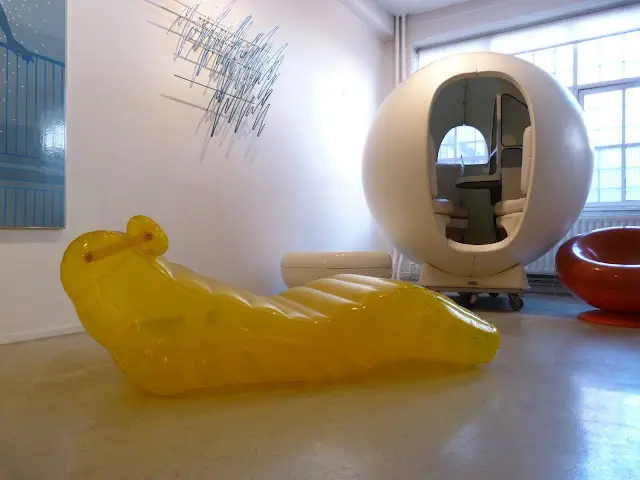
Some sit at the boundary between sculpture, design, history, and collective memory! This combination is precisely what creates their appeal for an ever-growing audience and, in turn, validates the market!
As with any emerging market, several factors enter into the value equation:
- rarity: some pieces are unique or come from manufacturing archives, such as our César moulds
- limited supply, as many have disappeared or were unfortunately destroyed.
- a strong emotional dimension: the object tells a personal as much as a collective story
- the market’s gradual recognition.